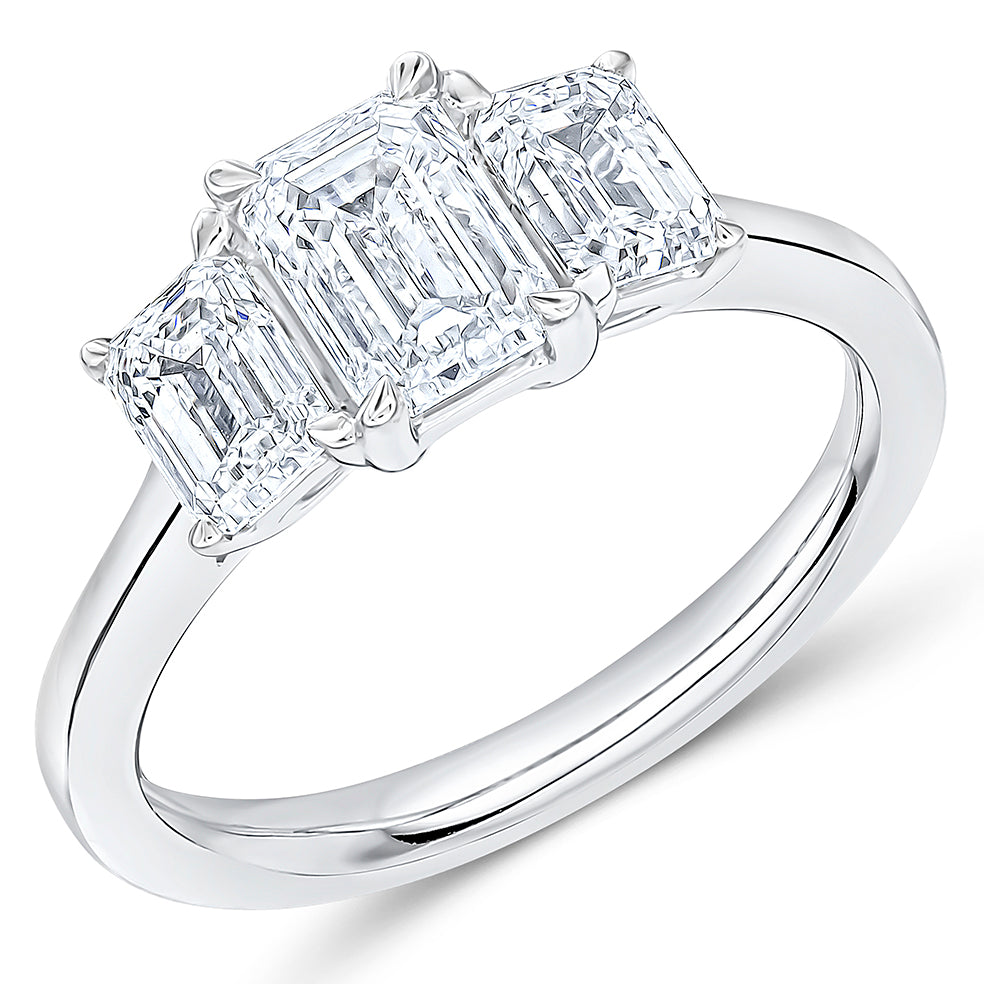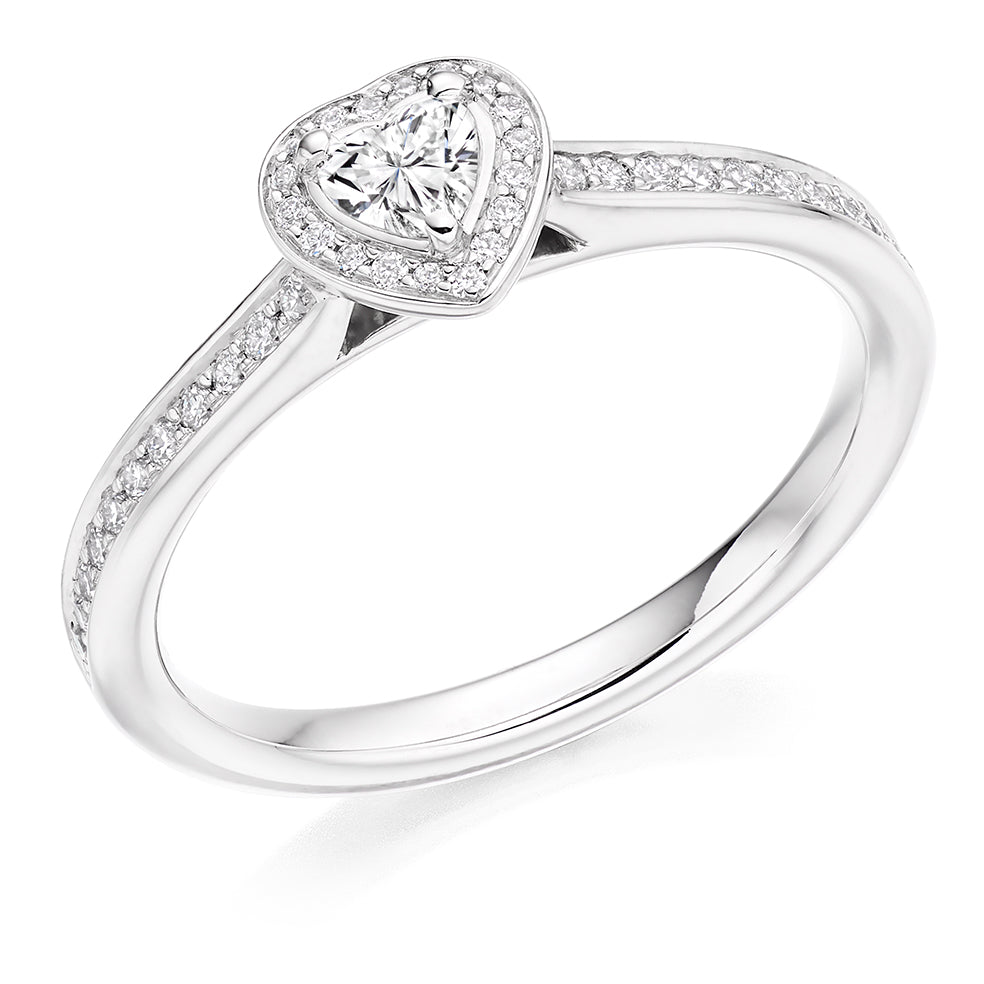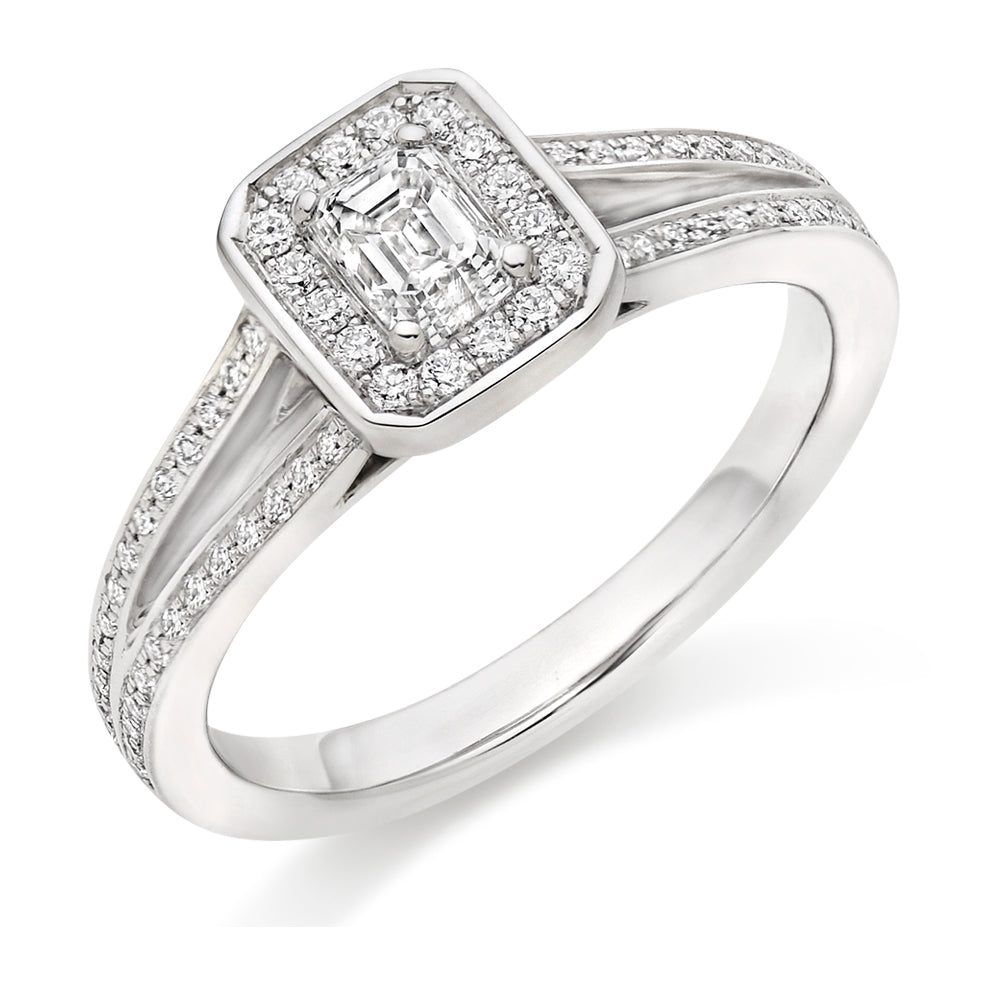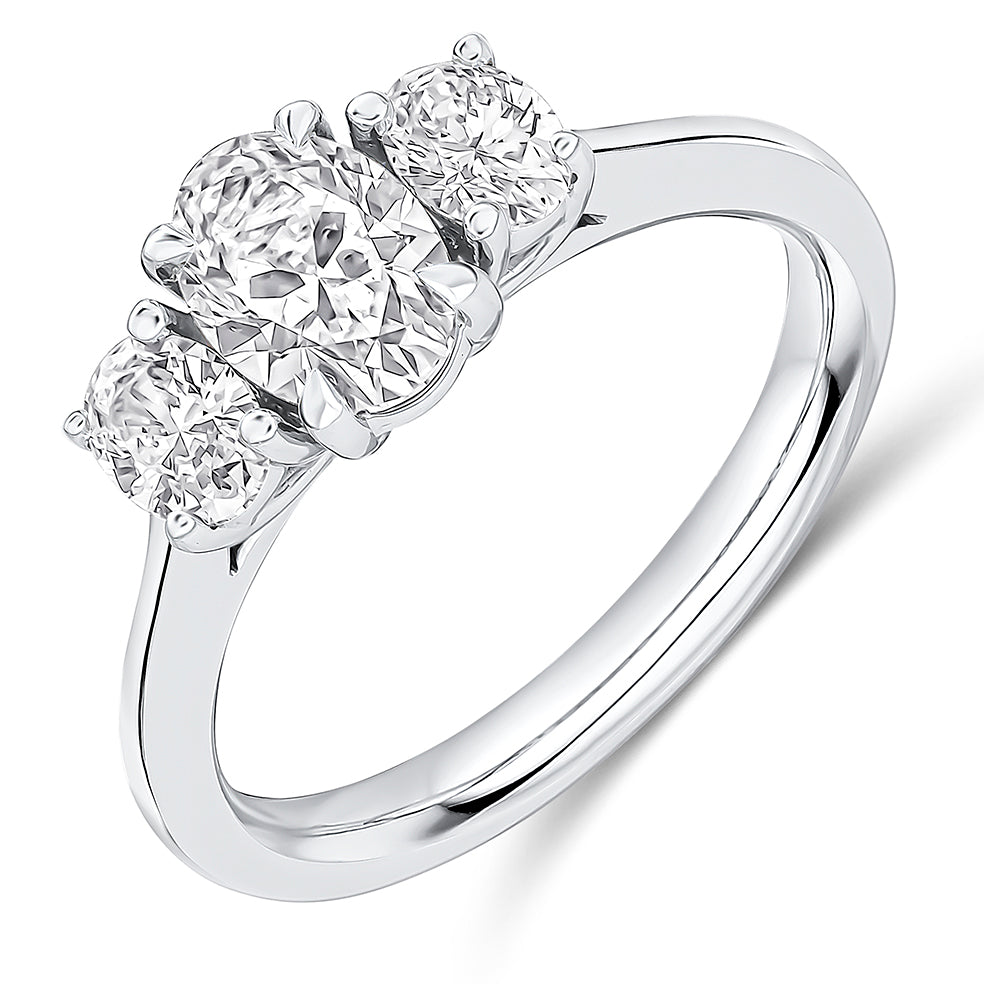


A ring you wear every day becomes part of you. It goes to work, comes along on weekends and stays with you through the ordinary moments that become memories. Choosing the right metal means finding one that suits your style, your lifestyle and the way you want your jewellery to age.
For a naturally white ring that doesn’t need rhodium plating, platinum 950 is an excellent choice. If you love the warmth of gold, 18ct gold offers a rich colour, while 9ct gold is a more affordable option with a higher proportion of alloying metals. Palladium is another naturally white alternative, valued for its lighter feel.
There is no single best metal for everyone. Here, we look at what matters most when choosing a ring you intend to wear day after day.
Which metal is the most hard-wearing?
When comparing metals, it helps to distinguish between scratch resistance, strength and long-term wear. A metal that resists fine scratches well is not necessarily the one that will best withstand every knock or retain its original shape.
9ct gold: practical and accessible
Made with 37.5% pure gold, 9ct gold combines gold with other metals to create a durable alloy. Depending on its precise composition, it can be harder than 18ct gold and may show fewer surface scratches in everyday wear.
It is a popular choice for wedding rings and everyday jewellery, particularly if you want the look of gold at a more accessible price. Like any precious metal, however, it can still scratch, bend or wear thinner over time.
18ct gold: a richer gold content
With 75% pure gold, 18ct gold has a higher gold content and a beautifully rich colour in its yellow and rose varieties.
It is generally softer than 9ct gold, so fine scratches and surface marks may become noticeable sooner. For many people, this is simply part of the character of a ring worn and loved over the years. Professional polishing can refresh the finish, although repeated polishing removes a small amount of metal.
Platinum 950: made for a lifetime of wear
Platinum 950 contains 95% platinum. It is dense, strong and particularly well suited to fine jewellery intended for regular wear.
Platinum develops a soft, naturally occurring patina as its surface becomes marked. Unlike some other metals, it tends to displace metal as it wears rather than losing it as readily through surface abrasion. That does not make it immune to wear: the underside of a ring can still thin over many years, and settings and claws still need checking.
Its weight gives it a reassuring feel on the hand, although some people prefer a lighter ring.
Palladium 950: a lighter, naturally white option
Palladium 950 is a naturally white precious metal that offers an alternative to platinum without the same density. It can be particularly appealing if you prefer a lighter ring.
Its suitability for a particular design depends on the alloy, construction and intended use. Availability of palladium alloys and suitable ring styles can also vary, so it is worth discussing your options with your jeweller.
Our advice: the right metal is about more than which one is hardest. Consider your daily routine, the design of the ring, its setting and how you feel about the natural marks that develop with wear.
Which metal needs the least upkeep?
If you would rather avoid regular replating, naturally white metals are worth considering.
Platinum and palladium are naturally white, so they do not rely on rhodium plating to achieve their colour. Their surfaces will still develop marks with wear, and an occasional professional clean or polish may be welcome.
Yellow and rose gold have their colour throughout the alloy. They can develop fine scratches over time, but professional polishing can help restore their finish.
White gold is a little different. It is often rhodium-plated to give it a bright, crisp white appearance. As that plating gradually wears, the warmer tone of the gold beneath may begin to show. The timing varies according to the individual, the ring's design and how it is worn.
At Anupam, we offer rhodium plating in our Ashford workshop, helping to refresh the bright white finish when needed. You can read more in our guide to why white gold turns yellow.
Sterling silver is beautiful for many types of jewellery, but it is relatively soft and can tarnish. For a ring intended to stay on your hand every day, we would usually explore the precious metal options above first.
Does the metal affect the price?
Yes. The final price depends on the metal, the ring's weight, the design and the work involved in making it.
9ct gold is often the more affordable gold option because it contains less pure gold than 18ct gold.
18ct gold contains twice the proportion of pure gold found in 9ct gold, although the finished ring price is not simply double. The amount of metal used, the alloy and the design all make a difference.
Platinum 950 is dense, meaning a ring of the same dimensions can weigh considerably more than one made from a less dense metal. Platinum's material cost and the work required to manufacture the ring also influence its price.
Palladium is lighter than platinum, so a ring of similar dimensions may use less metal by weight. Whether it costs less than a platinum ring depends on current metal prices, the design and the manufacturing process.
Precious metal prices fluctuate, so comparisons can change over time. The best way to compare like for like is to look at the same ring design in each available metal.
Our wedding ring builder lets you explore options and see how your chosen metal affects the price.
What if I have sensitive skin?
If you have experienced a reaction to jewellery before, mention it when choosing your ring. The metals in an alloy can make a difference, and it is worth checking the composition rather than relying on the colour or hallmark alone.
Platinum 950 is often a good option for people with metal sensitivities because of its high platinum content. Palladium may also suit some people, but individual sensitivities vary, and reactions can occur with particular alloys.
Gold rings contain other metals too, and the exact composition depends on the alloy and colour. If you have a known nickel allergy or a history of reactions, ask about the specific metal composition before buying.
Comfort matters just as much as appearance. Try the ring on, consider how it feels alongside your other jewellery, and take your time making the decision.
What do the hallmark numbers mean?
A hallmark helps you understand the precious metal content of your jewellery. The number represents purity in parts per thousand.
- 375 means 9ct gold, containing 37.5% pure gold.
- 750 means 18ct gold, containing 75% pure gold.
- 950 means platinum 950, containing 95% platinum.
- 950 can also indicate palladium 950 when accompanied by the appropriate palladium hallmark.
The number tells you about purity, not colour. For example, yellow, white and rose 18ct gold all carry the 750 fineness mark.
For more detail, read our guide to UK hallmarks explained.
Should your wedding ring and engagement ring be made from the same metal?
If you plan to wear your wedding ring alongside your engagement ring every day, it is worth considering the two together.
Different metals can wear against one another, and the shape and fit of the rings can influence how they sit and move on your hand. Matching the metals may be a sensible option, but it is not a universal rule: the design, setting and way the rings fit together all matter.
If your engagement ring has a raised setting, shaped shoulders or a design that sits close to the finger, you may need a wedding band made to fit around it.
Our guide to how to choose a wedding band explores what to consider before making your choice.
So, which metal should you choose?
The best option depends on what matters most to you.
- For a naturally white ring without rhodium plating: consider platinum 950 or palladium.
- For the rich colour of gold: explore 18ct yellow or rose gold.
- For a more accessible gold option: 9ct gold is well worth considering.
- For a lighter naturally white ring: palladium may be a good alternative to platinum.
- For a bright white finish: white gold is a lovely choice if you are happy to have the rhodium plating refreshed when needed.
Whichever metal you choose, a ring worn every day deserves a little care. Have it checked periodically, particularly if it holds a diamond or gemstone. Worn claws, a thinning band or a loose setting are easier to address when spotted early.
Find the metal that feels right for you
A ring should feel right on your hand as well as look beautiful. If you are choosing a wedding band, an engagement ring or a piece you intend to wear for years to come, we are always happy to help you compare the options.
Explore our platinum rings and 9ct gold jewellery, or book an appointment with us in Ashford.
Tell us how you plan to wear your ring, what you love about it and what matters most to you. We will help you find a choice that feels right for today — and for all the years ahead.
Frequently asked questions
Is platinum better than 18ct gold for a wedding ring?
Neither is automatically better. Platinum 950 is naturally white and does not require rhodium plating, while 18ct gold offers a choice of yellow, white and rose colours. Platinum is denser and often feels heavier; 18ct gold may show fine scratches sooner. The best choice depends on your preferred colour, feel, budget and lifestyle.
Is 9ct gold strong enough for everyday wear?
Yes, 9ct gold is commonly used for everyday jewellery, including wedding rings. Its hardness depends on the alloy and design, and it can still scratch, bend or wear thinner over time. Regular checks are sensible for any ring worn daily.
Does platinum scratch?
Yes. Platinum can develop surface scratches and a soft patina with everyday wear. It tends to displace metal as it wears, rather than losing it as readily through abrasion, but it is not scratch-proof or maintenance-free.
Does white gold need replating?
White gold is commonly rhodium-plated for a bright white finish. As the plating wears, the warmer colour beneath can become more visible. Replating can restore the finish when needed.
Which ring metal is best for sensitive skin?
Platinum 950 is often a good starting point because of its high platinum content. Palladium and some gold alloys may also suit you, but reactions depend on individual sensitivities and the metals used in the alloy. If you have a known allergy, check the composition before choosing.
Can I wear a platinum wedding ring with a gold engagement ring?
You can, but the rings may wear against each other where they touch. The amount of contact depends on their shape, fit and how they sit together. Ask your jeweller to assess the pair so you can make an informed choice.
How often should I have my everyday ring checked?
There is no single interval that suits every ring. If it holds a diamond or gemstone, arrange periodic checks and seek advice promptly if a stone feels loose, a claw catches or the band looks unusually thin. The right maintenance schedule depends on the ring's design and how often it is worn.