

An engagement ring is chosen once and worn every day for years afterwards. It marks the start of something, and the amount you spend on it should still feel comfortable long after the proposal.
There’s no right amount to spend, and the “three months’ salary” rule isn’t really a rule at all. Spend what you can pay comfortably, then choose the best ring that figure can buy.
Setting the budget is one step in finding the ring; our guide to how to find the right ring covers the rest.
How much am I supposed to spend on an engagement ring?
You aren’t supposed to spend anything in particular. Plenty of people spend modestly and love their ring every day; others spend more because one particular stone matters to them.
What is the three-month rule for engagement rings?
It’s the idea that an engagement ring should cost three months’ salary. It’s usually traced to diamond-industry advertising rather than to any old tradition, and the number has crept up over the decades: you’ll hear one month, two months and three.
It doesn’t stand up on its own terms. Salaries vary enormously, and so do rent, savings and plans for the next few years. Three months of one person’s pay can be a sensible sum or a crippling one, so it’s better to set the rule aside and start from your own figure.
What do engagement rings cost at Anupam?
Our engagement rings cover a wide range of budgets, and prices move with the market for metals and stones. Tell us your figure and we’ll show you what it buys.
What makes one engagement ring cost more than another?
Mostly three things: the stone, the metal and the setting.
The stone
Heavier diamonds cost more per carat as well as more overall. Cut, colour and clarity all move the price too.
The metal
9ct gold contains less pure gold than 18ct gold (they’re hallmarked 375 and 750), so the same design usually costs less in 9ct. The finished ring isn’t simply half the price, though: the weight of metal, the alloy and the design all make a difference. Platinum 950 is denser, so a ring of the same dimensions weighs more, and that affects the price as well.
Metal prices move, so the fairest comparison is the same design in each metal. Our article on which metal is best for a ring you wear every day compares them on wear and upkeep as well as price.
The setting
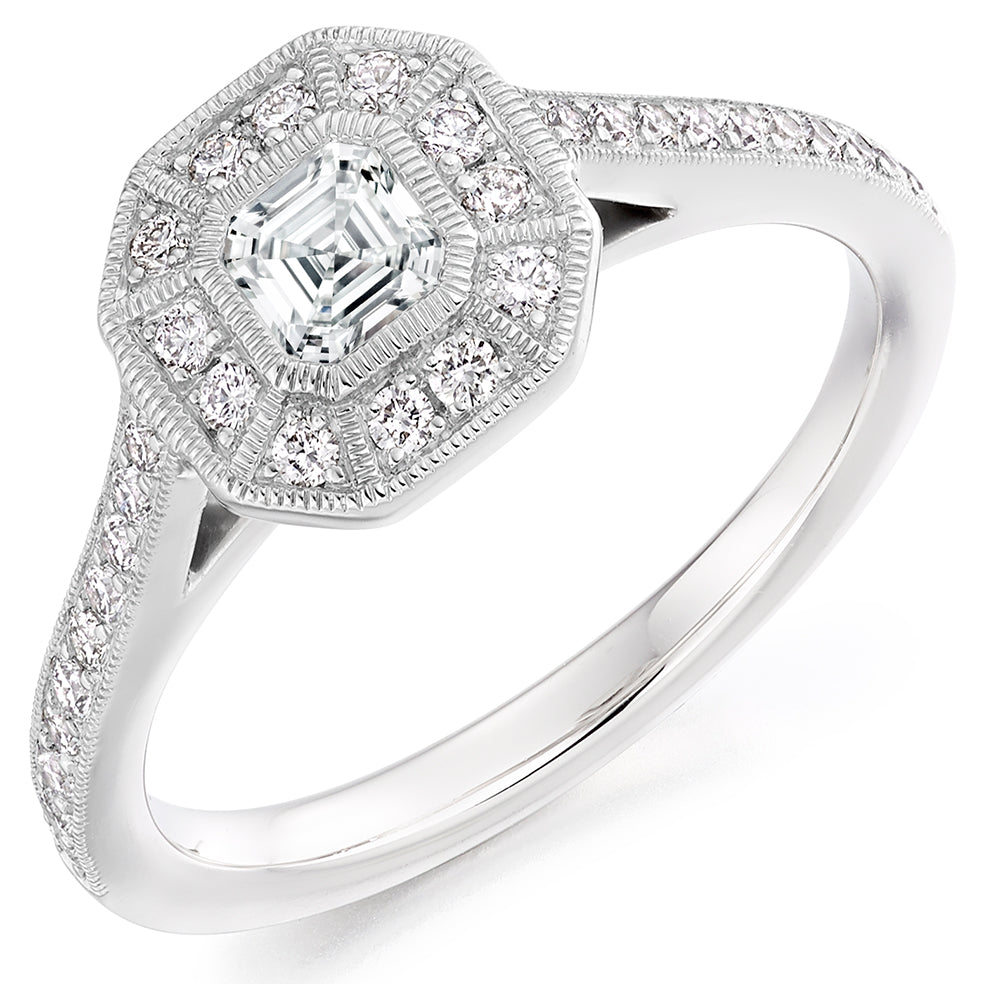
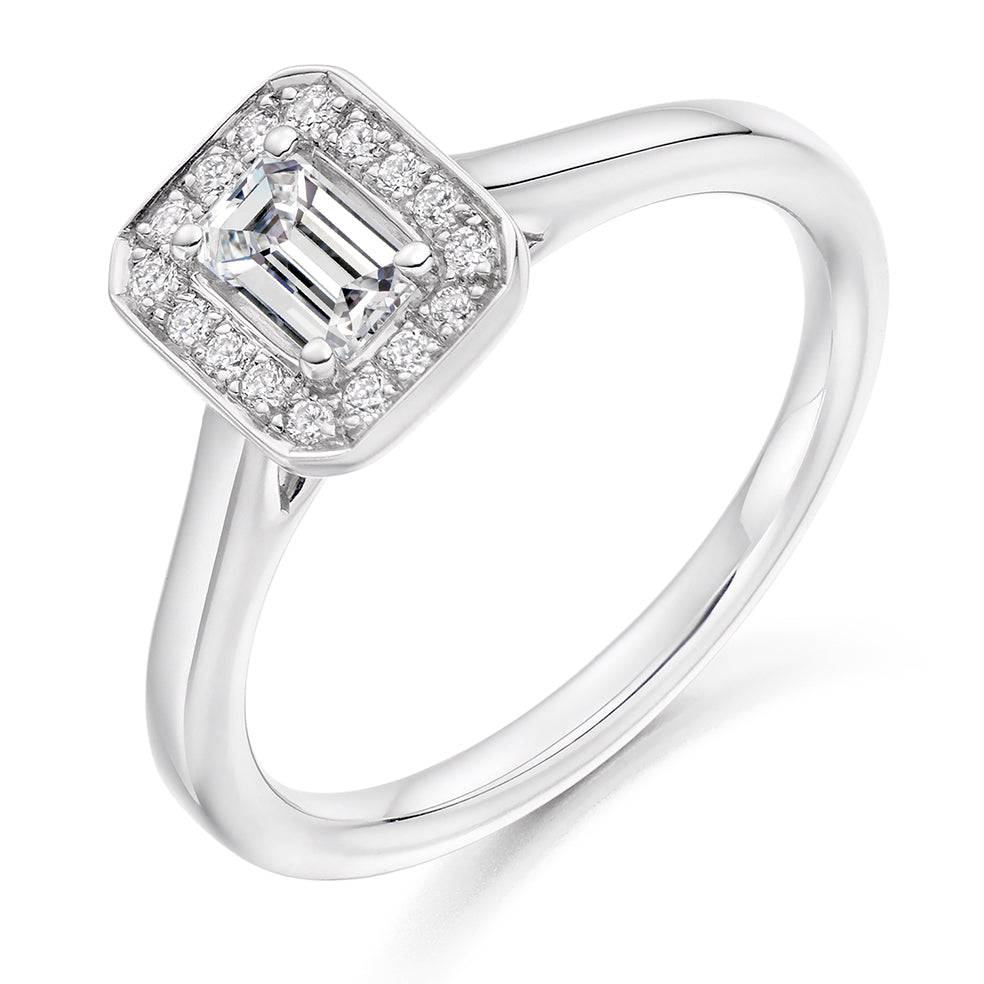
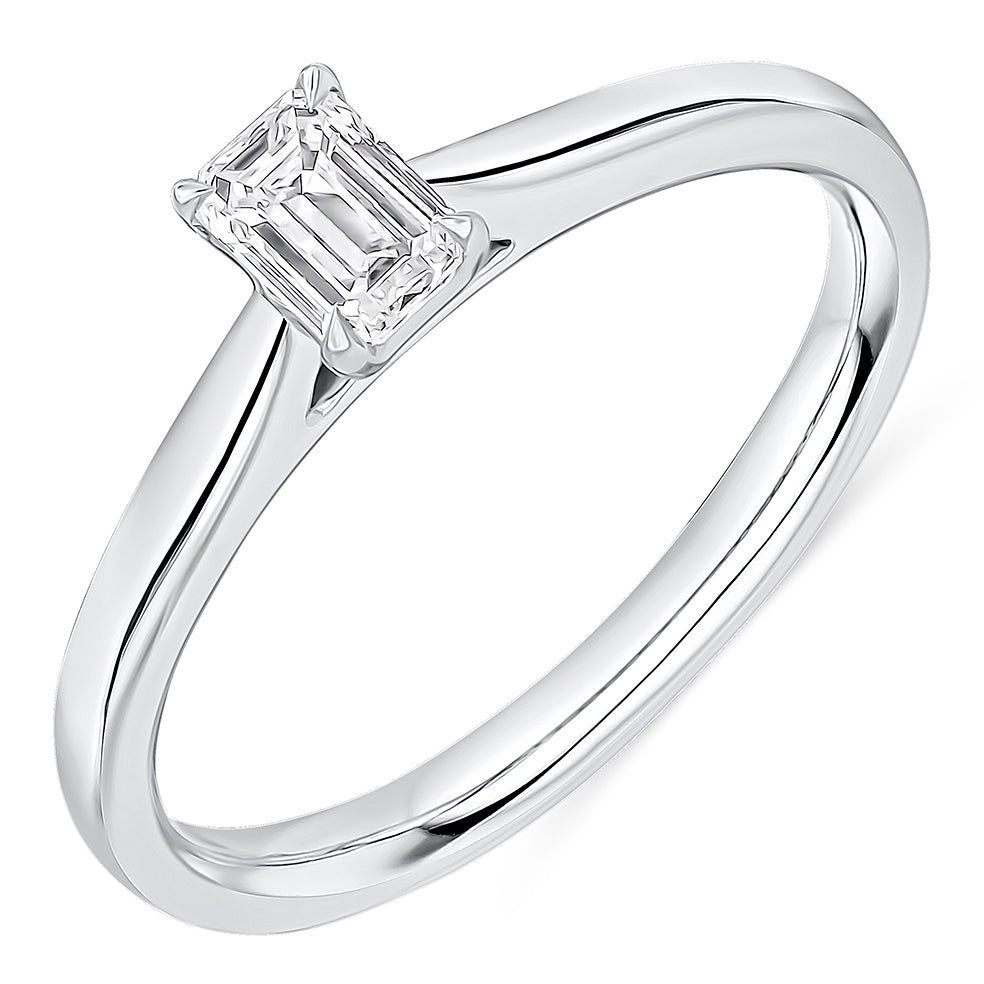
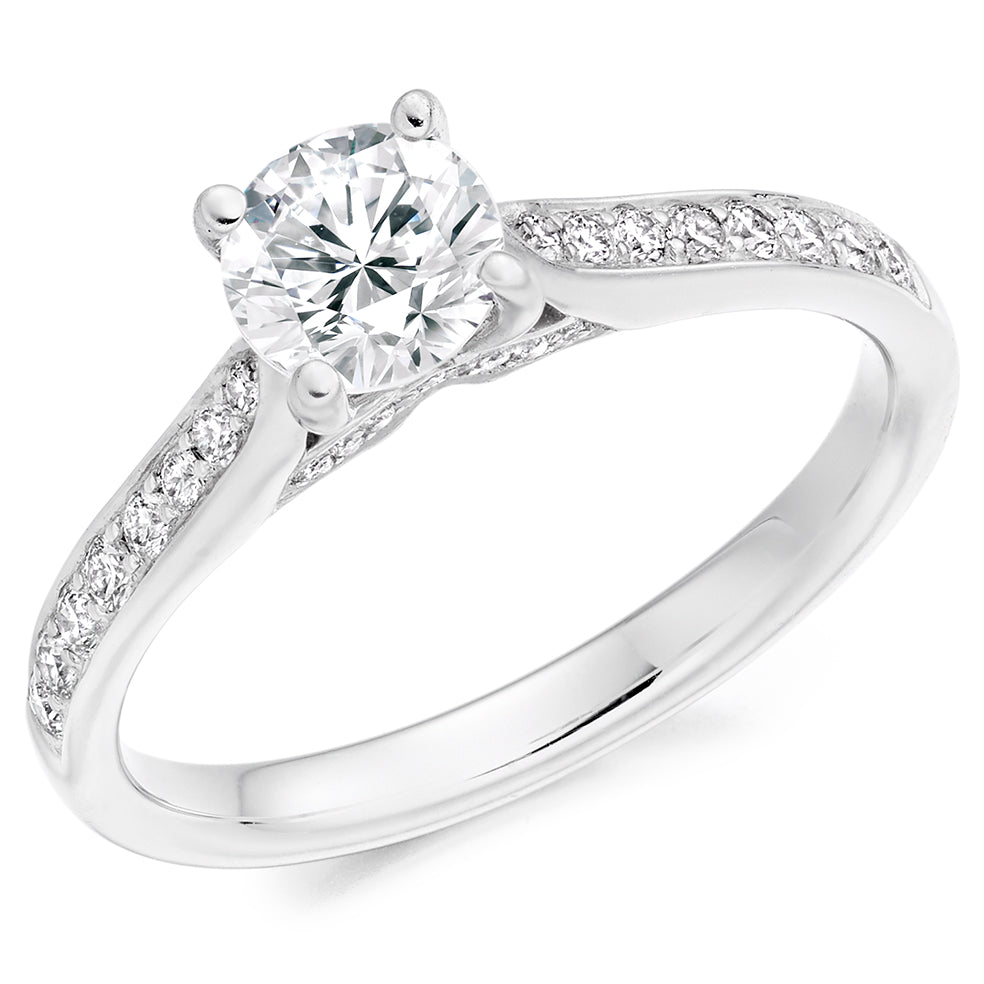
A solitaire has one stone. A halo or a pavé band has many more, each set by hand, and that adds to the cost.
Where can I spend a little less without it showing?
- Put the cut first. It’s what makes a diamond sparkle, and a well-cut stone of modest size can outshine a larger one that’s poorly cut.
- Don’t chase the top grades. Small differences in colour or clarity are often invisible once the stone is set, so ask for a stone that looks clean and bright.
- Stop just short of the round number. A 0.90ct diamond looks almost the same as a 1.00ct one and costs noticeably less.
- Consider lab-grown. If size matters most, a lab-grown diamond can give you a bigger stone for the same money; lab-grown or natural diamonds compares them.
How to choose a diamond explains the 4Cs and where each one shows.
What else should I budget for?
- A wedding band. Price it at the same time as the engagement ring. Many people match the metals, although it isn’t a universal rule, and an engagement ring with a raised setting or shaped shoulders may need a band made to fit around it. Our wedding ring builder shows how the metal changes the price, and how to choose a wedding band covers the rest.
- Insurance and a valuation. An insurance valuation arranged through us costs £160 including VAT for one ring at the standard item rate: the £95 report and administration fee plus £65 for the ring. A single-stone diamond over 1.00ct is charged at £75 per carat. Engagement ring insurance explains what to ask your insurer.
- Resizing. If the ring doesn’t fit first time, it may need resizing; ring resizing explains what’s involved.
How do I set my budget?
- Decide on a figure you’re comfortable with before you start browsing, so the number is yours before any ring has caught your eye.
- Decide what matters most. A bigger stone, a particular design, platinum 950, a certificate you can trust: you can’t have everything at every price, and knowing your top one or two makes choosing much easier.
- Leave room for the extras. The wedding band and the valuation come on top of the ring.
- Tell us the number. We’d rather start from your real figure than guess. Nobody at our counter will judge it, and it lets us show you rings that make the most of it.
Find a ring that suits your budget
Start with our engagement rings. When you have a figure in mind, book a time with us in Ashford and bring it with you. We’ll show you natural and lab-grown diamonds at that price and talk you through where the money makes the most difference.
Frequently asked questions
Is an engagement ring an investment?
Not usually. Jewellery sells for much less than it costs new, because a buyer pays for the stone and the metal rather than the making or the retailer’s costs. A natural diamond holds some value; a lab-grown diamond holds less.
Is a platinum 950 engagement ring more expensive than 18ct gold?
It depends: the same design weighs more in platinum 950, but metal prices move and the work involved differs too.
Do your engagement rings come with a certificate?
The centre stones in our engagement rings are certified by IGI or GIA. The certificate describes the stone; it doesn’t give a price and it isn’t a valuation, so if your insurer asks for a valuation, that’s a separate document.
Why do engagement ring prices change?
Because the materials do. The price of gold has risen sharply in recent years, while lab-grown diamond prices have fallen as more stones are produced.