

An engagement ring is chosen once and then worn almost every day for years. It goes to work, on holiday and through all the ordinary days in between, and for most of its life it will sit beside a wedding band. The right ring has to suit the hand it lives on and the life that hand leads, as well as look beautiful in the tray.
Finding it comes down to a few choices: the style, the stone, the setting that holds it, the metal and the budget. Settle those and a browse through hundreds of rings becomes a short list you can try on, and trying the rings on is the step that decides it.
At Anupam, our engagement rings are set with natural or lab-grown diamonds, and the centre stones come with an IGI or GIA certificate. Here, we go through each choice in turn, with links to the guides that go into more detail.
Which engagement ring style suits you?
Style is the overall look of the ring. It is the best place to start, because it decides how much of the stone you see and how the ring will sit beside a wedding band.
| Style | What it is | Worth knowing |
|---|---|---|
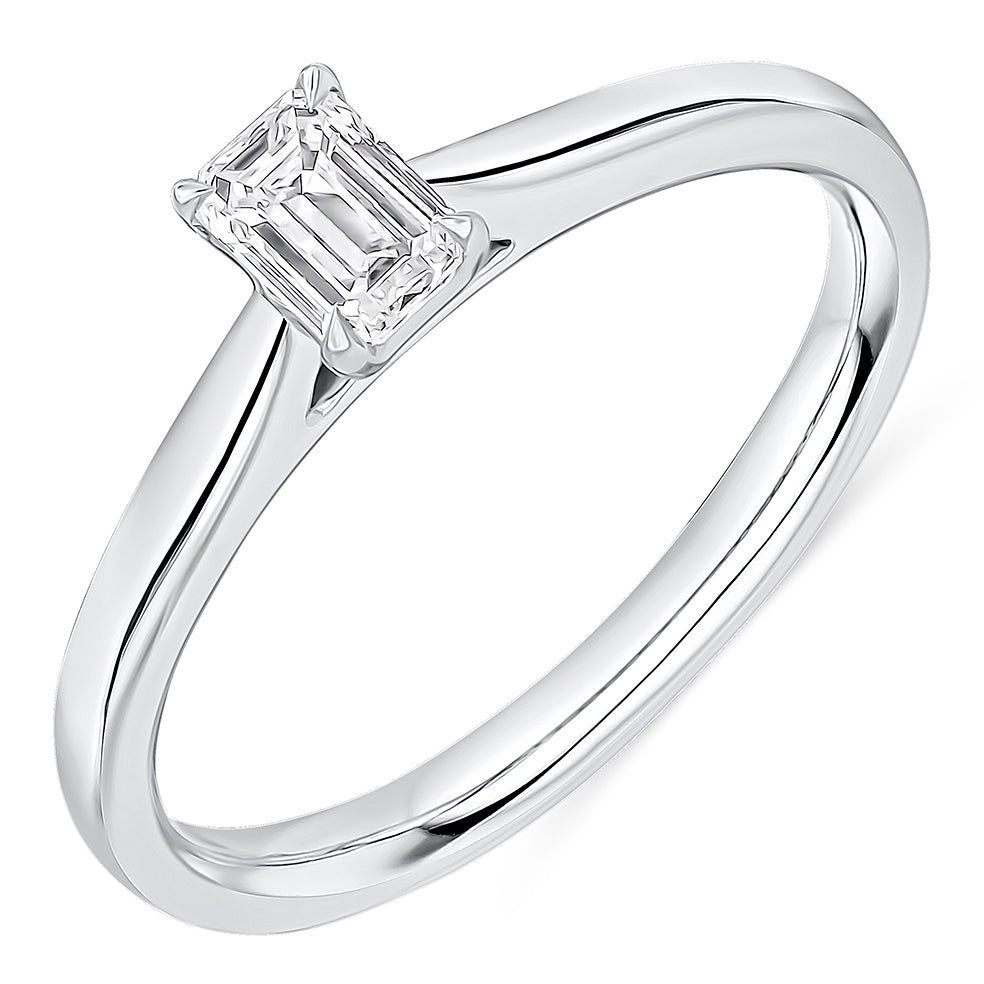
| Solitaire | One stone on a plain band | The stone does all the work, and a classic wedding band often sits neatly beside it |
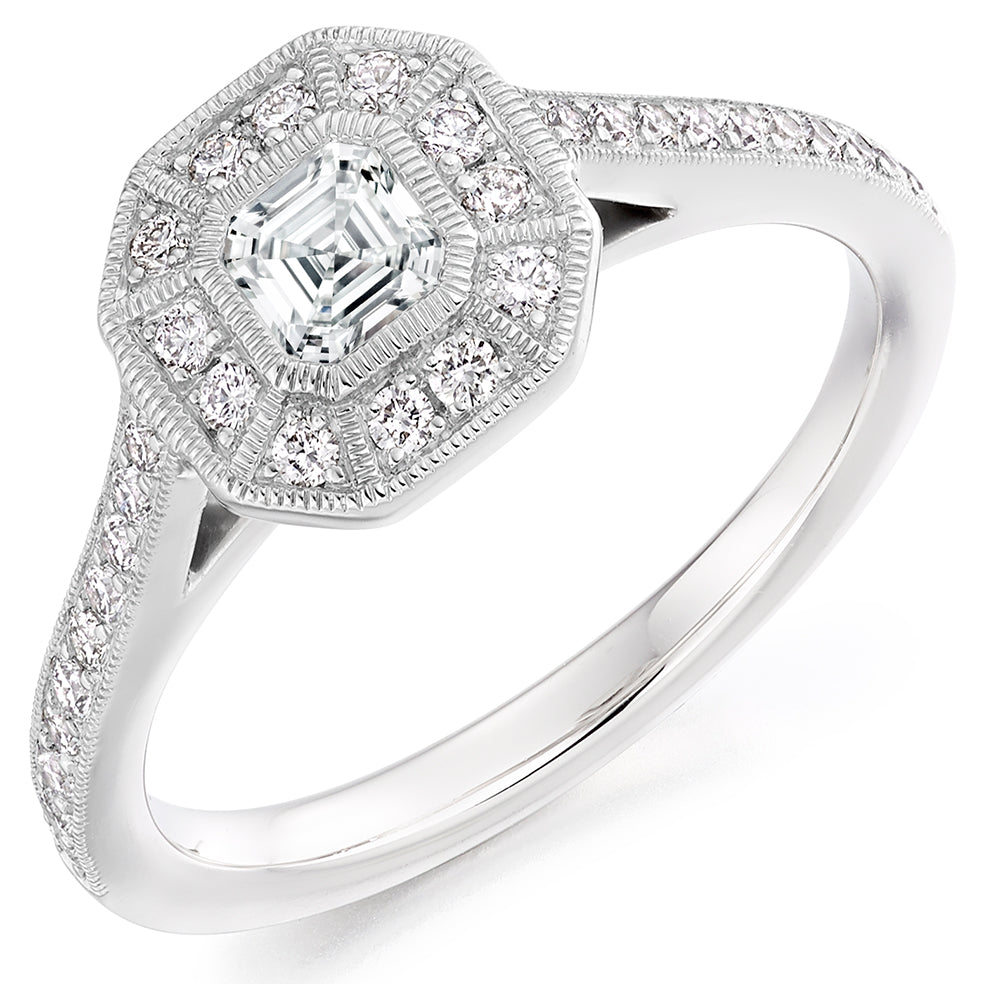
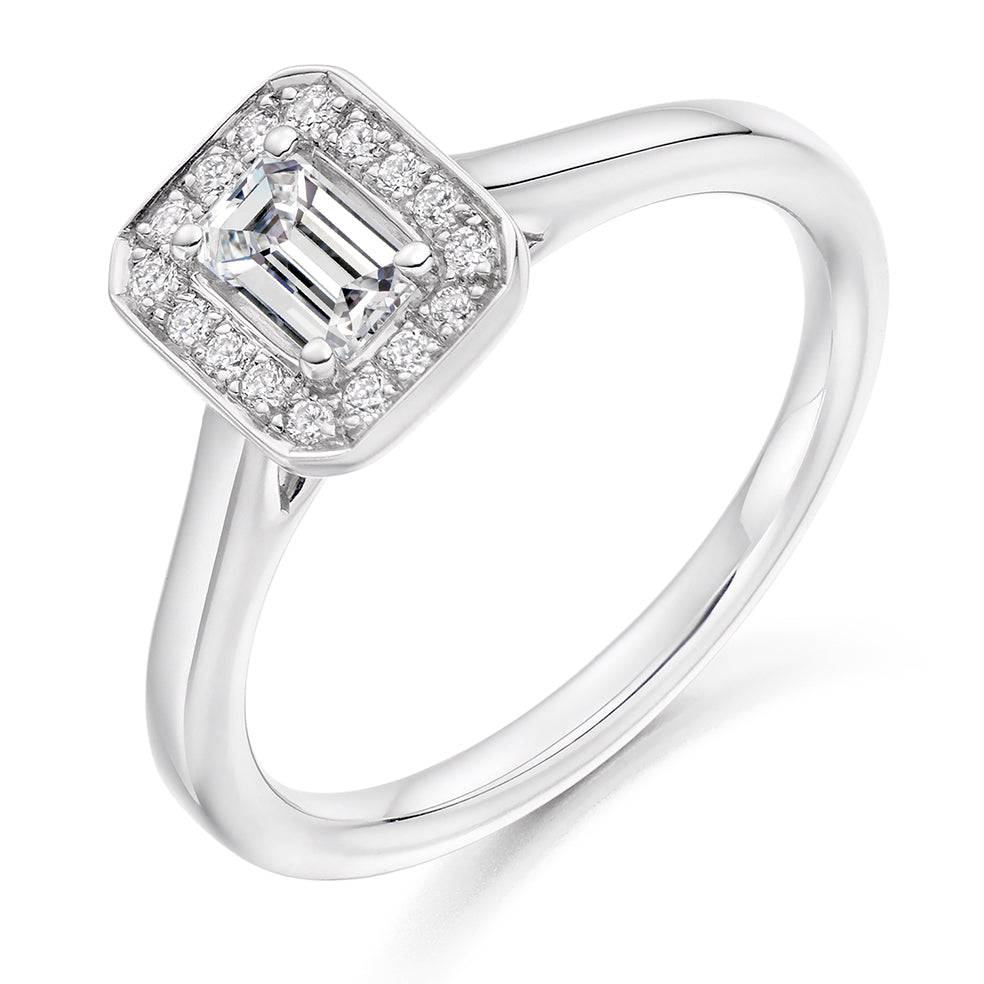
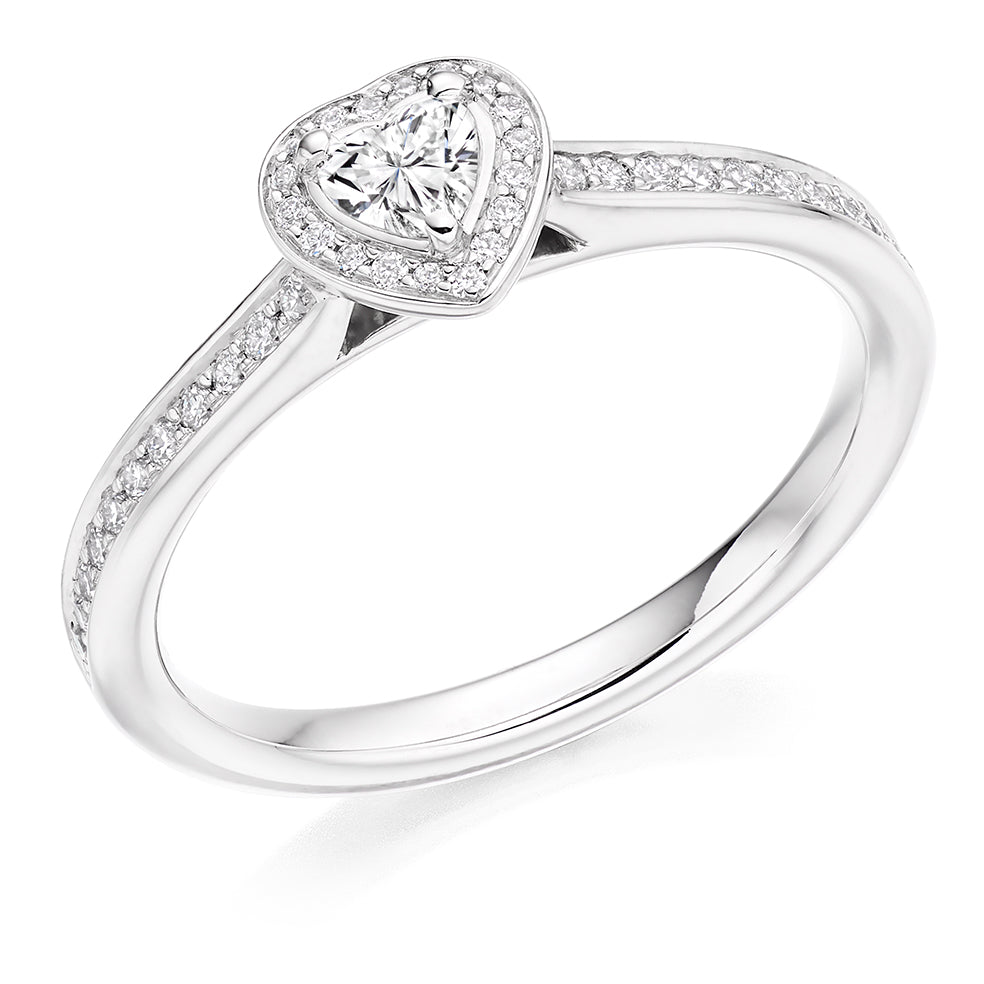
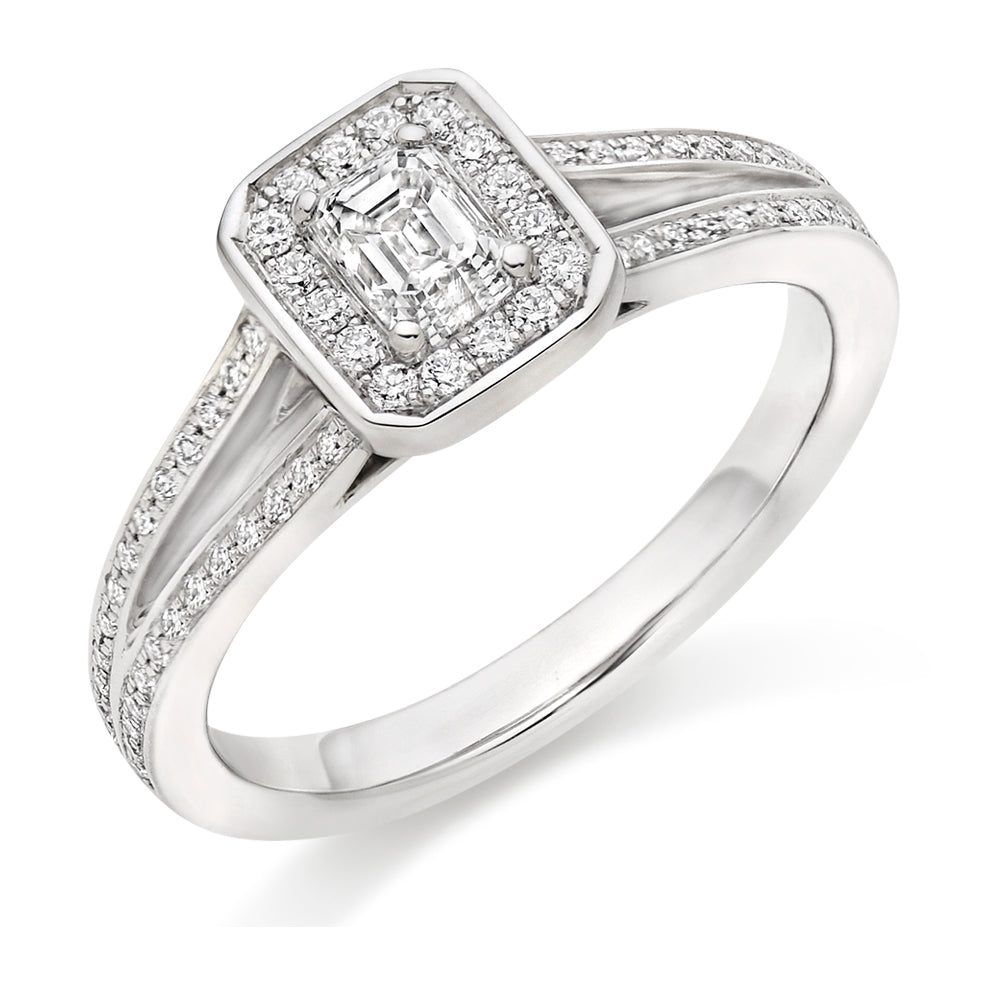
| Halo | The centre stone is ringed by smaller diamonds | Adds sparkle and makes the centre look larger; a straight wedding band can leave a gap beside it |
| Hidden halo | The small diamonds sit beneath the centre stone | You see them from the side rather than from above |
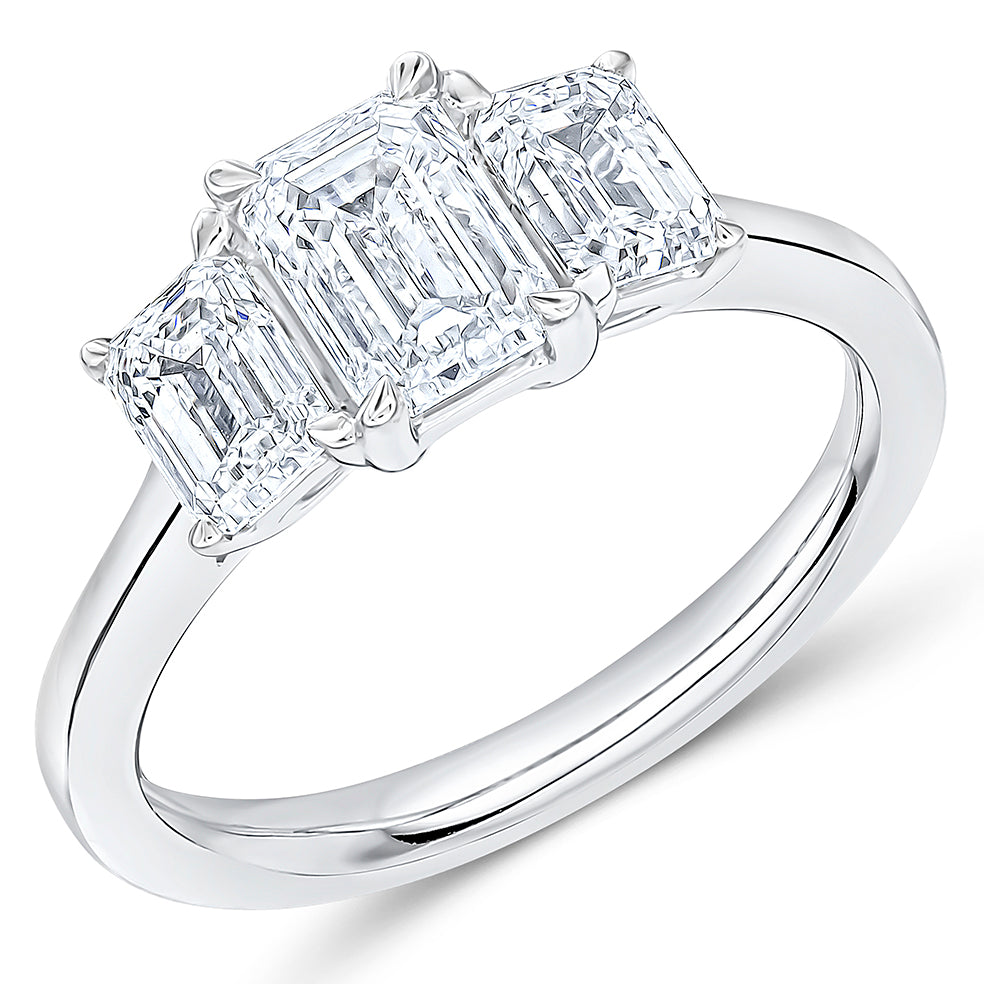
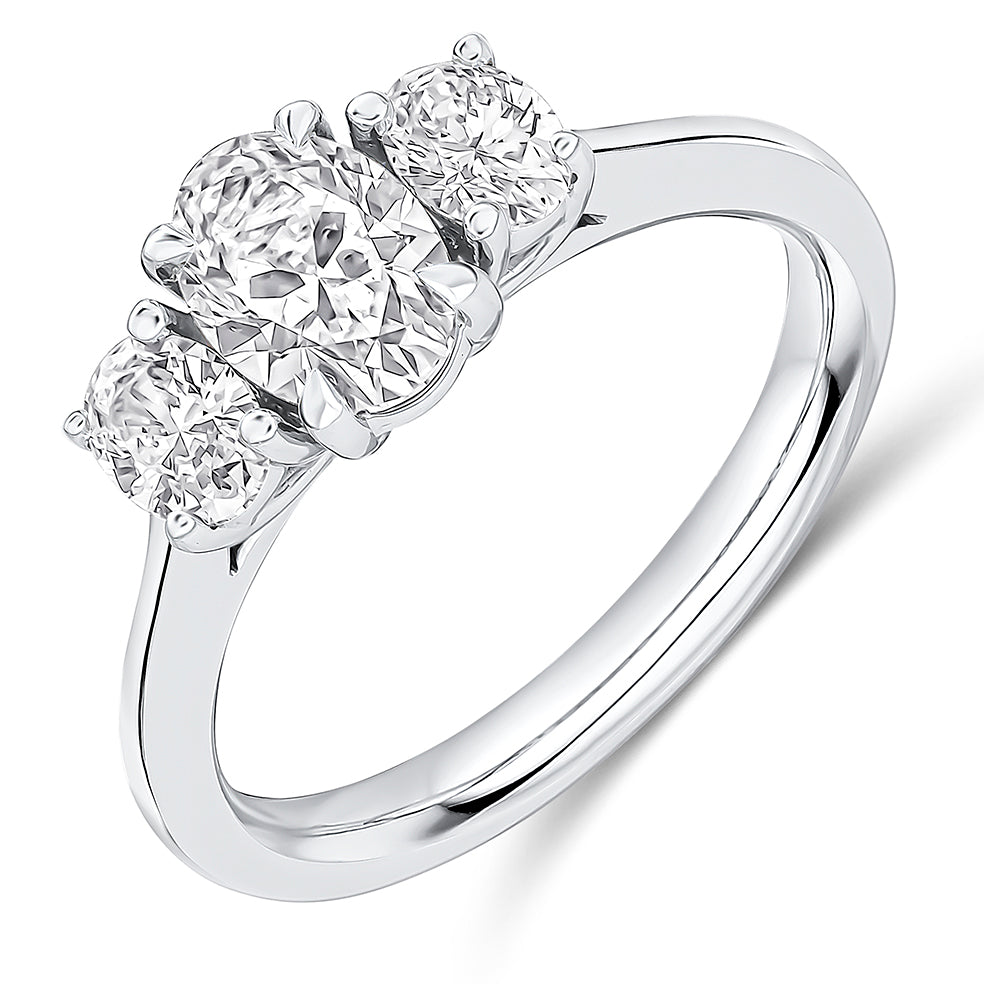
| Trilogy | Three stones in a row | Often said to stand for past, present and future |
| Toi et moi | Two stones side by side on one band | Sits wider across the finger; our post on toi et moi rings explains the style |
| Cluster | Smaller stones set close together into a flower or one larger shape | A softer, vintage feel |
If you are choosing for someone else, look at what they wear every day. Do they reach for yellow, white or rose-coloured metal? Fine chains and small studs, or something bolder? Make a note of the two or three pieces they wear most, and bring photos of them if you come in to look.
Which stone shape should you choose?
The shape of the centre stone changes the character of a ring more than almost anything else. These are the six you will meet most often.
| Shape | The look | Worth knowing |
|---|---|---|
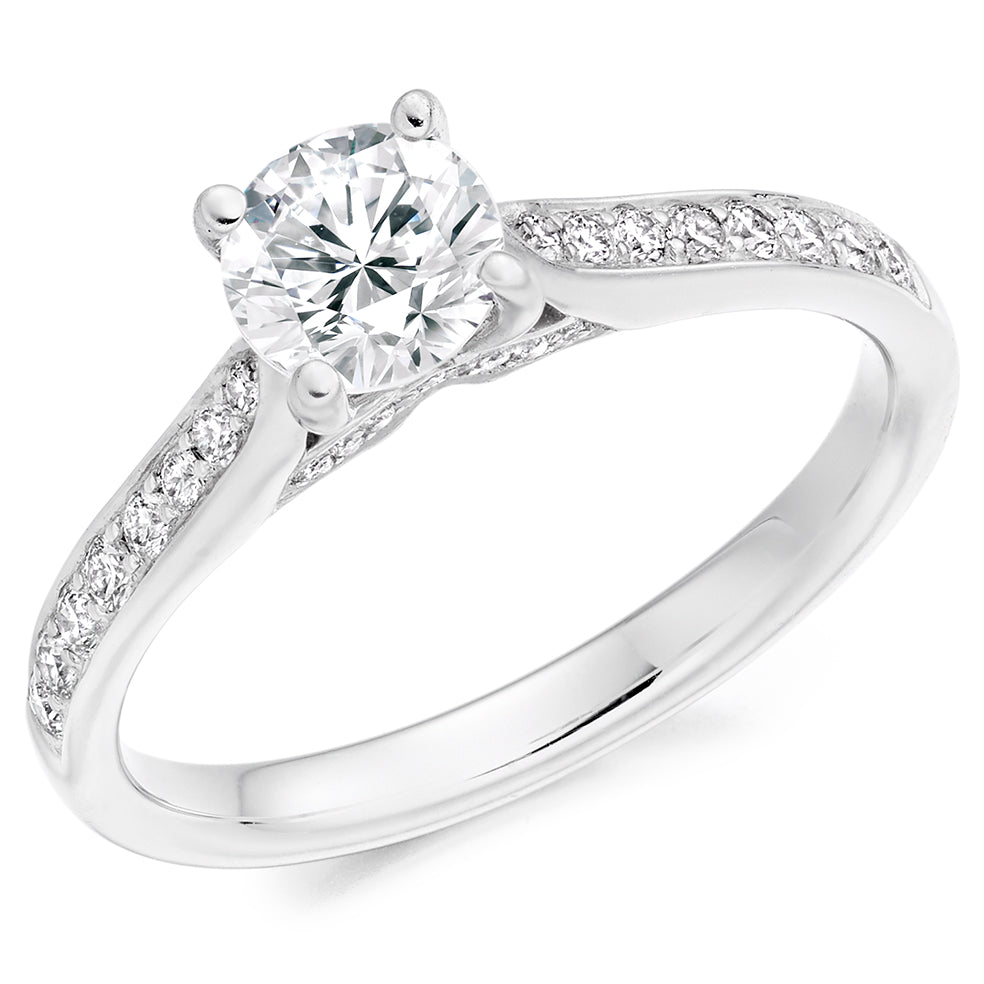
| Round brilliant | The classic, cut to return the most sparkle | Suits almost every setting |
| Oval | Elongated and flattering on the finger | Tends to look larger than a round stone of the same weight |
| Cushion | A soft square with rounded corners | A warm, vintage feel |
| Emerald cut | A long rectangle with stepped facets | Flashes of light rather than sparkle, and it shows clarity, so choose a clean stone |
| Pear | A teardrop with one point | Lengthens the finger; a claw at the point protects it |
| Princess | A square with sharp corners | A modern look; claws guard the corners |
Our advice: try at least two shapes on the hand before you decide. An oval and a round of similar weight can look quite different once they are on the finger.
How big should the stone be?
Carat measures weight, not width, so two stones of the same weight can look quite different on the hand depending on how they are cut. A well-cut smaller stone will often out-sparkle a larger one that is cut poorly.
Is a 2-carat ring too flashy?
A 2-carat round diamond is about 8mm across, which is a lot of diamond on a slim finger. How much is too much depends on the hand and the person. If they love a statement, it won’t be too much. If they would rather the ring caught the light quietly, a smaller stone in a good cut will suit them better.
Think about their days as well as their taste. A large stone set high will catch on knitwear and gloves far more than a modest one set low.
For the 4Cs, and how cut, colour and clarity affect what you see, read our guide to how to choose a diamond.
Which setting holds the stone best?
The setting is how the stone is held, and it decides how the ring behaves from one day to the next.
- Claw (prong): slim metal claws grip the stone and let the most light in. Claws wear over the years, so they need checking now and then, and we re-tip them at our own bench.
- Rub-over (bezel): a thin rim of metal runs all the way round the stone. It sits low and is very secure, a good choice for hands that work hard.
- Pavé or channel shoulders: small diamonds set into the band either side of the centre stone for extra sparkle.
Think ahead to the wedding band, too. A halo, or a stone set low, can leave a gap beside a straight band. In our workshop we can laser-scan an engagement ring and design a band in 3D CAD to fit around it. Our post on shaped wedding bands explains the options, and how to choose a wedding band covers profile, width and metal.
Natural or lab-grown diamond?
Both are diamonds. A lab-grown diamond has the same essential chemical composition and crystal structure as a natural diamond; the difference is that it is created in a laboratory rather than formed within the Earth. You cannot reliably tell the two apart by looking at them.
A lab-grown diamond is generally less expensive than a comparable natural diamond, so the same budget can buy a larger stone. We are always clear about which is which, because you should know exactly what you are buying.
We do not set moissanite in our engagement rings. If you are comparing all three, read moissanite, lab-grown or natural diamond; for the two diamonds side by side, read lab-grown or natural diamonds.
Which metal should the ring be?
Common choices for an engagement ring are 18ct gold in yellow, white or rose, 9ct gold, and platinum 950. White metals tend to let a diamond take centre stage, while yellow and rose add warmth.
| Metal | Worth knowing |
|---|---|
| Platinum 950 | Naturally white, so it does not need rhodium plating. Dense, with a reassuring weight on the hand. |
| 18ct gold | 75% pure gold, with a rich colour in yellow and rose. Generally softer than 9ct gold, so fine scratches may show sooner. |
| 9ct gold | 37.5% pure gold, and the more affordable gold option. Depending on the alloy, it can be harder than 18ct gold. |
| 18ct or 9ct white gold | Usually rhodium-plated for a bright white finish. As the plating wears, the warmer tone beneath can show; we offer rhodium plating in our Ashford workshop. |
Where an engagement ring and a wedding band sit together, different metals can wear against one another. Matching them is a sensible option, but it is not a universal rule: the shape and fit of the two rings matter as well. Our post on which metal is best for a ring you wear every day compares them in detail, and how to choose a metal covers the rest.
What about a coloured gemstone?
If you would rather have colour, our gemstone rings include sapphire, ruby, emerald, tanzanite, aquamarine and opal. How well they stand up to daily wear differs from stone to stone.
- Sapphire and ruby are hard enough for every day.
- Aquamarine is hard enough for every day, though a sharp knock can still chip it.
- Emerald is hard but brittle, so it does best in a protective setting.
- Tanzanite and opal need more care. Tanzanite is softer and can chip, and opal is softer still and can crack.
If you have one of the more delicate stones in mind, ask us about the setting before you decide.
How much should you spend?
There is no figure you are supposed to reach. Spend what you can afford comfortably, then choose the best ring that figure can buy.
Our engagement rings cover a wide range of budgets. We break down where the money goes in how much to spend on an engagement ring.
Our advice: tell us your figure when you come in. It lets us show you the rings that make the most of it.
Why try rings on before you decide?
How a ring looks depends on the length of the finger, the width of the knuckle and the way a person holds their hand. Two rings that look alike on a screen can feel completely different once they are on. It is common to arrive set on one style and be won over by another.
If you are choosing for someone else, the size is the thing to get close to. Our guide to finding your ring size shows how, including how to do it without them knowing.
Choosing a ring with us in Ashford
Browse our engagement rings to start your short list. When you would like to see them in person, book a time with us in Ashford. Bring your short list, photos of the jewellery they wear, or nothing at all, and we will go through the rings with you one by one.
Our ring guide gathers our other articles on rings in one place.
Frequently asked questions
What is the three-month rule for engagement rings?
It is the old idea that an engagement ring should cost three months’ salary. It isn’t a rule we would follow. Our post on how much to spend explains what makes one ring cost more than another.
Do your engagement rings come with a certificate?
The centre stones do. Keep the certificate safe with your receipt: it is useful if you have the ring valued for insurance later, as our post on jewellery valuations explains.
What if the ring doesn’t fit?
Most engagement rings can be made larger or smaller at the bench, and we resize rings in our own workshop in Ashford. Rings with stones or a pattern all the way round are the exception. Our post on ring resizing explains what can and can’t be done.
Should we choose the ring together or as a surprise?
Both work; choosing together means the ring is tried on before it is bought.
Can I change the stone or setting later?
Often, yes. Diamond and gemstone replacement, remodelling and bespoke work are all done in our own workshop. What is possible depends on the ring, so bring it in and we will look at it with you.
Which finger does an engagement ring go on?
In the UK, it is usually worn on the ring finger of the left hand, with the wedding ring on the same finger. Our post on which finger, and in what order explains the tradition and how to wear the rings together.